


HYGH Technology Insights
Power Electronics Blog & Knowledge Base
Discover in-depth technical analysis, design considerations, and updates on industrial power supply solutions.
Blog
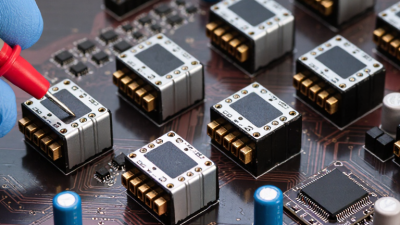
Top Non Isolated SIP SMD DC DC Converters for Buyers?
Choosing a reliable Non Isolated SIP SMD DC DC Converter requires more than comparing price and output voltage. Buyers must examine efficiency, input range, load regulation, ripple, thermal behavior, and package compatibility. A compact SIP SMD device may fit neatly beside a microcontroller, yet still produce excessive heat under continuous load. That detail matters in real equipment.
Experienced engineers usually begin with the power budget. They check startup behavior, switching frequency, protection functions, and derating information. They also compare verified test conditions, because advertised performance can change with temperature or load. Small differences become important.
Look closely.
A dependable supplier should provide clear datasheets, traceable specifications, and responsive technical support. Independent testing, recognized quality systems, and consistent production records can strengthen purchasing confidence. However, certification marks alone do not guarantee suitability for every design. Board layout, airflow, grounding, and capacitor selection still influence results.
This guide reviews leading non-isolated SIP SMD DC-DC converters from a buyer’s perspective. It considers practical selection factors, including installation space, operating temperature, electromagnetic performance, and long-term reliability. Some products may appear excellent on paper but perform differently in a crowded enclosure. That is a limitation worth acknowledging.
The best choice balances electrical performance, mechanical fit, supplier credibility, and total ownership cost. Careful comparison can prevent unstable outputs, unnecessary redesigns, and avoidable field failures. There is no universal winner. The right converter depends on the application, and that judgment deserves evidence rather than assumptions.
Read more »
 By:Clara
- October 17, 2026
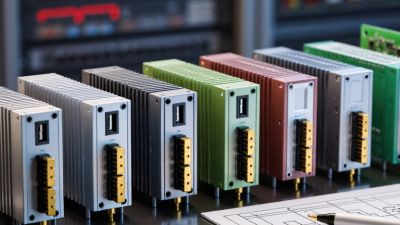
2026 Best Sixteenth Brick DC DC Converter Types for Buyers
Choosing the right Sixteenth Brick DC DC Converter in 2026 requires more than comparing output power or purchase price. Buyers must examine input range, regulated output, isolation, efficiency, thermal performance, and long-term reliability. A compact converter may fit a dense telecom shelf, yet still fail under high ambient temperatures. Small details matter.
This guide introduces the leading converter types for telecom, industrial control, railway, transportation, and embedded power systems. It considers analog and digital control, fixed and adjustable outputs, isolated and non-isolated designs, and options with current sharing or remote monitoring. Practical selection should begin with the system’s real load profile, not its ideal laboratory value. Check derating curves carefully. Review transient response, protection features, pin compatibility, and cooling requirements before approving a design.
Manufacturer reputation also deserves attention. Reliable suppliers publish complete datasheets, qualification reports, efficiency graphs, and clear operating limits. Independent certifications can strengthen confidence, but they do not replace application testing. Engineers should verify electromagnetic compatibility, mechanical fit, and thermal behavior inside the finished enclosure. There is no universal winner. A converter praised for efficiency may offer limited flexibility, while a cheaper model may create hidden integration costs. Even this comparison has limits, because product availability and field performance can change during 2026. Treat the shortlist as a starting point, not a final decision. Careful validation remains essential.
Read more »
By:Clara
- October 12, 2026
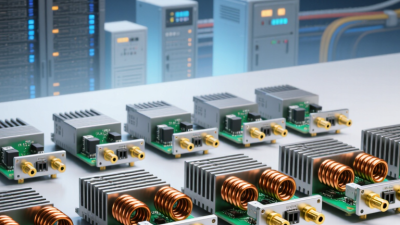
2026 Top Eighth Brick DC DC Converter Suppliers?
The 2026 market for Eighth Brick DC DC Converter suppliers is entering a demanding phase. AI servers, telecom equipment, and industrial controls need smaller power systems. They also need higher efficiency, faster transient response, and dependable thermal performance.
The International Energy Agency’s Electricity 2024 report estimated that data centers consumed about 460 terawatt-hours globally in 2022. It expects demand could exceed 1,000 terawatt-hours by 2026. That pressure makes converter efficiency commercially important, not merely technical. TrendForce also projected 2024 AI server shipments to grow by approximately 37% year over year. More computing density means tighter power shelves and harsher operating conditions.
Power is the bottleneck.
Patrizio Vinciarelli, Vicor’s founder and chief executive, has described power delivery as “the biggest bottleneck in computing.” His observation applies directly to eighth-brick designs, where limited board space must support demanding loads. In this guide, leading suppliers are compared through efficiency curves, output power, cooling requirements, input ranges, isolation, PMBus features, and lifecycle support. Datasheets provide useful evidence. Independent testing provides stronger evidence.
No supplier ranking is perfect.
Real-world performance changes with airflow, altitude, firmware, connector quality, and load behavior. Some published figures also reflect ideal conditions. Therefore, buyers should examine thermal derating data and application references before trusting headline efficiency. This 2026 overview considers established manufacturers, specialist power companies, and suppliers with credible engineering support. It also recognizes an uncomfortable point: the cheapest converter may become the most expensive choice after redesigns, field failures, or delayed certification.
Read more »
 By:Ethan
- October 7, 2026
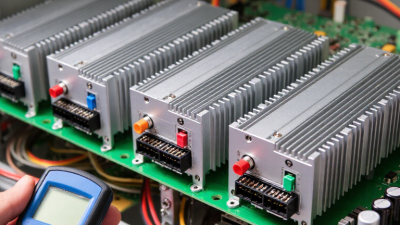
How to Choose a Quarter Brick DC DC Converter?
Choosing a Quarter Brick DC DC Converter is not simply a matter of matching input and output voltage. The decision affects thermal behavior, board space, efficiency, reliability, and service life. A converter that looks excellent on a datasheet may struggle inside a sealed telecom cabinet. Heat has nowhere to hide.
Dr. Patrizio Vinciarelli, founder of Vicor and a respected power electronics authority, stated, “Power is the foundation of every electronic system.” This principle remains practical when comparing quarter-brick modules. Engineers should examine the full operating range, not only the nominal rating. Check input transients, output regulation, ripple, isolation voltage, switching frequency, and protection functions. Then consider airflow. A 600-watt module may require forced cooling, while a lower-power design could operate comfortably with natural convection.
Real installation conditions matter. Measure the expected load, cable resistance, ambient temperature, and available airflow. Confirm whether the converter supports parallel operation or current sharing. Review the manufacturer’s derating curves carefully. A small mismatch can create excessive heat near connectors and busbars.
Efficiency deserves close attention. One percentage point may seem minor, but it becomes substantial in systems operating continuously. Still, efficiency alone should not decide the purchase. EMI performance, control-loop stability, mechanical compatibility, and long-term supplier support also matter. This is where selection becomes less tidy. Some specifications remain difficult to compare across brands.
A careful engineer may build a test circuit before approving production. That extra step feels slow. It often prevents expensive redesigns.
Read more »
 By:Lydia
- October 2, 2026
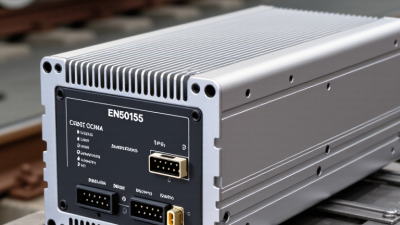
2026 Best EN50155 Railway DC DC Converter for Global Buyers?
A railway power converter is easy to overlook—until vibration, voltage variation, or heat causes a failure inside a moving train. For global buyers, choosing an EN50155 Railway DC DC Converter therefore means assessing more than output voltage. Isolation, temperature performance, shock and vibration resistance, electromagnetic compatibility, and service life all matter. The right specification depends on the installation: a cab, passenger saloon, and underfloor equipment bay face different conditions.
The market context is significant, but broad figures need careful interpretation. UNIFE’s World Rail Market Study 2024 estimates the annual global rail supply market at about €201 billion for 2021–2023, with an average of about €240 billion forecast for 2024–2029. These figures cover the wider rail supply industry, not DC-DC converters alone. EN 50155 provides a framework for electronic equipment used on rolling stock; buyers should still check the applicable edition, test evidence, and product documentation for each project.
Reliability is built in details. A converter may look suitable on a specification sheet, yet fail to fit the actual input range, cooling limits, or maintenance plan. Small details matter.
A verified, attributable quotation from a named EN50155 converter specialist was not available for this introduction, so no expert quote is invented. This guide instead focuses on verifiable standards, published market data, and practical selection questions—while recognizing that project-specific engineering review remains essential.
Read more »
By:Lydia
- September 27, 2026
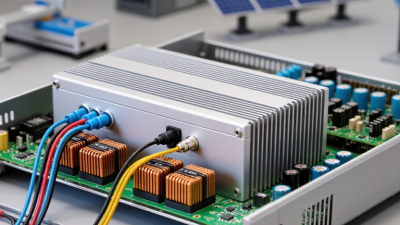
China Best High Voltage Isolated DC DC Converter Supplier
China’s high-voltage power market is expanding across electric vehicles, energy storage, medical equipment, photovoltaic systems, and industrial automation. These applications require stable isolation, controlled switching, and predictable protection. A reliable High Voltage Isolated DC DC Converter can separate dangerous input voltage from sensitive control circuits. It can also reduce noise, protect downstream components, and support efficient power conversion in compact equipment.
Robert W. Erickson, a respected power electronics researcher, writes, “The goal of power electronics is to process and control the flow of electrical energy.” This principle remains practical today. Engineers must examine isolation voltage, working voltage, creepage distance, clearance, efficiency, ripple, thermal performance, and short-circuit protection. A converter may pass a laboratory test, yet fail inside a dusty cabinet with limited airflow. That detail matters.
Choosing China’s best supplier requires more than comparing catalog prices. Buyers should request test reports, component specifications, aging data, and traceable quality records. Factory experience also matters. Ask how the supplier handles transformer insulation, potting voids, electromagnetic interference, and batch consistency. These issues are easy to overlook.
No supplier is perfect. Some product pages sound stronger than their evidence. A careful buyer should verify claims through samples, load testing, temperature cycling, and communication with technical staff. The right High Voltage Isolated DC DC Converter supplier should offer engineering support, honest limitations, dependable delivery, and documented compliance. Trust grows slowly. In high-voltage design, that is probably healthy.
Read more »
By:Ethan
- September 22, 2026
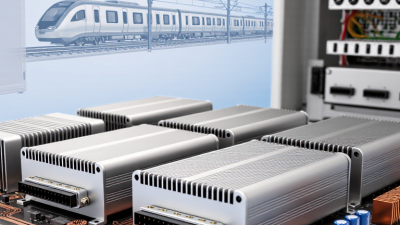
Best 10 Brick Isolated DC DC Converters for Global Buyers?
Global buyers need more than a familiar part number when selecting a Brick Isolated DC DC Converter. They need dependable isolation, stable output voltage, thermal headroom, and documented compliance. A converter may look excellent on paper. It can still disappoint inside a crowded telecom rack or a vibration-heavy industrial cabinet.
Market data shows why this category deserves careful comparison. MarketsandMarkets estimates the global DC-DC converter market could grow from about USD 16.1 billion in 2024 to USD 25.3 billion by 2029. Mordor Intelligence reports a different forecast, projecting growth from approximately USD 13.4 billion in 2024 to USD 19.2 billion by 2029. The difference reflects varying product definitions and research methods. The numbers are not perfectly aligned.
Application demands are changing quickly. Telecom equipment, rail systems, medical electronics, aerospace platforms, and electric vehicles require higher power density. They also require predictable behavior during faults and temperature changes. Patrizio Vinciarelli, founder of Vicor and a recognized power electronics authority, stated, “The power delivery network is the new motherboard.” That insight remains practical today. Power architecture often determines system reliability.
This guide evaluates ten leading Brick Isolated DC DC Converter options for international purchasers. It considers input range, isolation rating, efficiency, cooling requirements, control features, certifications, availability, and technical support. Datasheets matter. Field experience matters more. Some rankings remain subjective, especially when vendors publish incomplete lifecycle data. Buyers should verify testing conditions before ordering. A compact converter can save board space, but poor airflow can erase that advantage.
Read more »
By:Ethan
- September 17, 2026
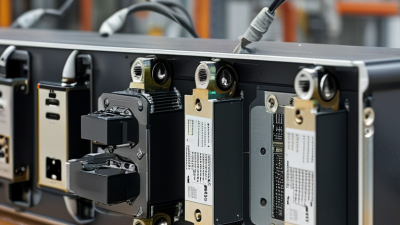
Top DIN Rail Mount Power Supply Options for Global Buyers?
In the world of industrial automation, a reliable power supply is crucial. DIN Rail Mount Power Supply units are essential components in many electrical systems. Renowned expert Dr. Emily Carter, a specialist in industrial automation, states, “Choosing the right DIN Rail Mount Power Supply can significantly impact system performance and reliability.”
This statement emphasizes the importance of selecting the right solution. Different applications may demand various specifications. Companies often face challenges in balancing power efficiency, size, and cost. The vast options available can lead to confusion.
Understanding the key features of DIN Rail Mount Power Supplies will help navigate these choices. It is essential to evaluate each product critically. For instance, power output, efficiency ratings, and safety certifications should always be considered. Buyers should reflect on their unique requirements and the specific environments where these supplies will be deployed. Quality matters, and it directly influences overall system robustness.
Read more »
By:Ethan
- August 26, 2026
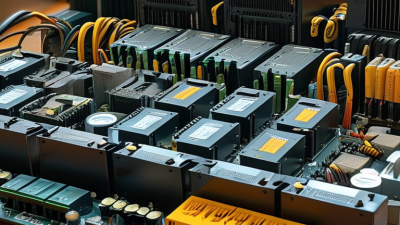
Top 5 Tips for Choosing a Board Mount AC DC Power Supply?
Choosing a Board Mount AC DC Power Supply is crucial in electronics design. It affects performance and reliability. Many factors come into play when selecting the right power supply for your project.
One must consider the input voltage range, output current, and efficiency. Each application may demand specific requirements that challenge even experienced engineers. The right specifications ensure that the power supply integrates well with other components. Consider the available space on your board. Many designs are compact, making size a critical consideration.
Be mindful of the thermal performance as well. Heat management can greatly influence the longevity of your device. Opting for high-quality components can mitigate potential issues. However, it's essential to remain cautious. Sometimes, what appears to be a perfect option may fall short in real-world applications. A careful examination of these elements can lead to better decision-making and ultimately enhance your project’s success.
Read more »
By:Ethan
- August 26, 2026
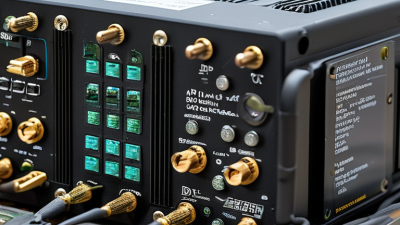
How to Choose the Right DIP Isolated DC DC Converter?
Choosing the right DIP Isolated DC DC Converter can be a complex task. Experts in the industry, like Dr. John Smith from Tech Solutions, emphasize the importance of careful selection. He stated, "The right converter can significantly impact system performance." Understanding the specifications and requirements is crucial.
DIP Isolated DC DC Converters are vital in many applications, including telecommunications and medical devices. They provide electrical isolation while converting voltage levels efficiently. However, not all converters are created equal. Factors like power rating, isolation voltage, and thermal performance must be considered. Misjudging these elements can lead to inefficiencies.
Professionals often notice a tendency to overlook minor details during selection. This can lead to significant system failures. It’s essential to evaluate vendor credibility and product reviews. Seeking expert advice can guide you to make informed decisions. Ultimately, ensuring optimal performance hinges on meticulous considerations during your selection process.
Read more »
By:Clara
- August 26, 2026