


Technical Blog and Industry Insights - HYGH Technology Co., Ltd.
Industrial Power Supplies Tech Articles
DC DC Converter Application Guides
HYGH Technology Insights

Power Electronics Blog & Knowledge Base

Discover in-depth technical analysis, design considerations, and updates on industrial power supply solutions.

0%

Choosing the right DIP Isolated DC DC Converter can be a complex task. Experts in the industry, like Dr. John Smith from Tech Solutions, emphasize the importance of careful selection. He stated, "The right converter can significantly impact system performance." Understanding the specifications and requirements is crucial.

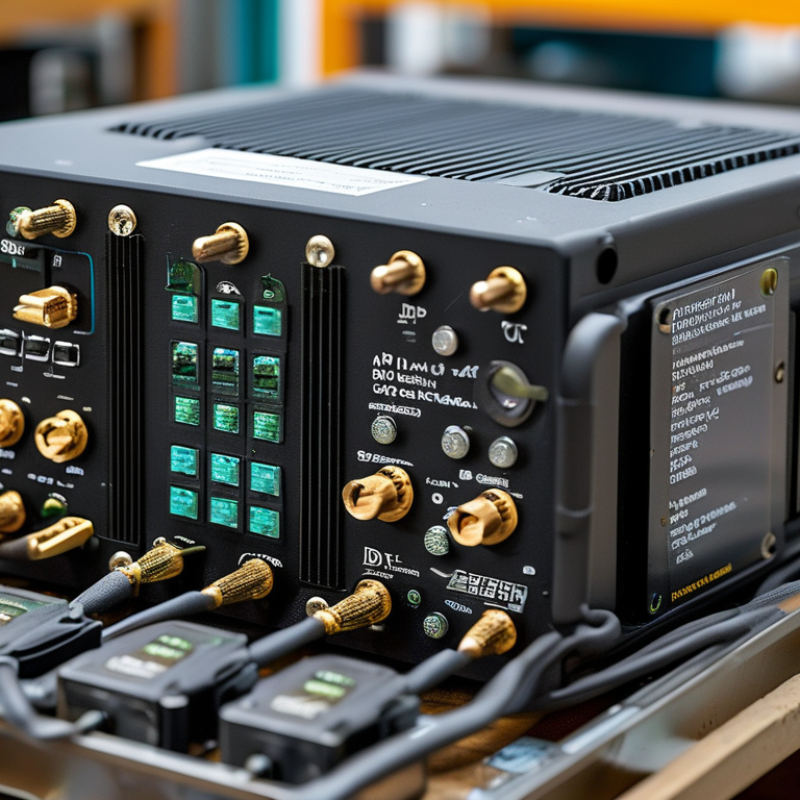
DIP Isolated DC DC Converters are vital in many applications, including telecommunications and medical devices. They provide electrical isolation while converting voltage levels efficiently. However, not all converters are created equal. Factors like power rating, isolation voltage, and thermal performance must be considered. Misjudging these elements can lead to inefficiencies.

Professionals often notice a tendency to overlook minor details during selection. This can lead to significant system failures. It’s essential to evaluate vendor credibility and product reviews. Seeking expert advice can guide you to make informed decisions. Ultimately, ensuring optimal performance hinges on meticulous considerations during your selection process.
How to Choose the Right DIP Isolated DC DC Converter?

Understanding DIP Isolated DC-DC Converters: A Brief Overview

DIP isolated DC-DC converters play a critical role in powering devices in a variety of applications. They offer electrical isolation between input and output, which enhances safety and reduces noise. The global market for these converters is projected to grow to $1.5 billion by 2026, according to recent industry reports. This growth highlights their increasing importance in sectors like telecommunications, medical devices, and industrial automation.

When selecting a DIP isolated DC-DC converter, it’s crucial to understand key specifications. Look for input voltage range, output power, and efficiency ratings. Many converters achieve over 80% efficiency, significantly impacting energy savings. Some designs can handle input variations while providing stable output, which is vital for sensitive applications. However, some may have limited output current capabilities, which can be a drawback depending on your requirements.

Additionally, thermal performance should be evaluated. Many converters generate heat, which can affect reliability. Insufficient heat dissipation can lead to reduced lifespan. This is an area for further examination. As the demand for more compact solutions grows, manufacturers are continuously innovating. Monitoring changing industry standards is essential for anyone involved in selecting these components.

Key Specifications to Consider When Selecting DIP DC-DC Converters

When selecting a DIP isolated DC-DC converter, it’s crucial to consider several key specifications. Output voltage and current ratings are primary factors. The output voltage should match the requirements of your application. A mismatch can lead to component damage or inefficient operation. Additionally, consider the load requirements. Choosing a converter that exceeds your load needs can enhance reliability.

Efficiency is another essential specification. High-efficiency converters minimize energy loss and reduce heat generation. When the converter is in use, energy wasted as heat can affect other components. Examine the thermal performance. Some converters have thermal shutdown features, which can be critical in high-temperature environments.

Consider the input voltage range next. Ensure it aligns with your power supply. A converter with a broad input range offers flexibility in various applications. Lastly, review the isolation voltage rating. It’s critical for protecting sensitive components. An insufficient rating can lead to failures in harsh environments. Balancing these factors needs careful thought, as this choice impacts overall system performance.

Assessing Load Requirements for Optimal Converter Performance

When selecting a DIP isolated DC-DC converter, assessing load requirements is crucial. The load current dictates the converter's choice, impacting efficiency and thermal performance. According to industry studies, an optimal load range typically falls between 70% to 85% of the converter’s rated output. Operating within this range fosters superior efficiency, often exceeding 90%. This highlights the importance of accurately estimating load demands.

Understanding transient load behavior can be as critical as average load assessment. A sudden load spike can cause voltage dips, affecting circuit performance. Research indicates that up to 40% of applications may experience unexpected transient loads. This suggests a need for converters with adequate response times. Manufacturers recommend factoring a margin for such events. Over-designing the output voltage can accommodate transient responses effectively.

Choices made in the converter selection process have lasting impacts. Underestimating load requirements can lead to converter failure or inefficiency. Conversely, over-specifying can inflate costs and reduce reliability. For instance, an oversized converter may operate in low-efficiency zones, generating excess heat. It can result in reduced lifespan and increased maintenance concerns. Thoughtful consideration of load profiles enhances converter stability and reduces operational risks.

Evaluating Efficiency and Thermal Management Solutions

When selecting a DIP isolated DC-DC converter, efficient thermal management is crucial. Not only does it boost performance, but it also enhances reliability. Ensure that your design accounts for heat dissipation. High temperatures can lead to failures in electronics. Use adequate heat sinks and consider ventilation in your layout.

The efficiency rating of a converter matters significantly. Higher efficiency means less energy waste. Examine the converter’s load conditions and input-output voltage ratios. They impact the overall energy conversion process. If the efficiency is low, excessive heat is generated. This could compromise the converter’s lifespan.

Monitor thermal performance during testing. Measure junction temperatures closely to capture potential issues. Sometimes, thermal paste or improved airflow may address heating problems. Choosing a component with integrated thermal protection can also be beneficial. Check the specifications to ensure it meets your needs.

How to Choose the Right DIP Isolated DC DC Converter? - Evaluating Efficiency and Thermal Management Solutions

Converter Model Efficiency (%) Input Voltage (V) Output Voltage (V) Output Current (A) Thermal Management Solution
Model A 90 12 5 2 Passive Cooling
Model B 92 15 3.3 3.5 Active Cooling
Model C 88 24 12 1.5 Heat Sink
Model D 85 5 1.8 2 None

Comparing Top Brands and Models of DIP Isolated DC-DC Converters

When selecting a DIP isolated DC-DC converter, it’s essential to consider critical specifications and industry insights. A recent report indicates that the market for DC-DC converters is expected to grow at a CAGR of around 5.6% from 2021 to 2026. This growth reflects increasing demand in sectors like telecommunications, automotive, and renewable energy systems. Key players in the market have been focusing on enhancing efficiency rates, with the best converters achieving over 90%.

In terms of brands and models, some converters offer features like adjustable output voltages and varying power ratings, catering to diverse application needs. Reliability is crucial; reports show that converters with thermal protection are favored for their durability. However, several models sometimes fall short in heat dissipation, leading to performance inefficiencies. It's important to cross-reference user feedback and technical data to identify these issues.

Efficiency isn't the only factor to assess. Noise performance also plays a significant role in sensitive applications, such as medical devices. Some converters produce higher electromagnetic interference than others, affecting overall functionality. As engineers design systems, they often overlook these aspects, which can compromise long-term reliability. Evaluating different models requires a comprehensive approach, blending numerical data with practical experiences to make informed decisions.

FAQS

: What are DIP isolated DC-DC converters used for?

: They power devices in telecommunications, medical devices, and industrial automation, enhancing safety and reducing noise.

What is the significance of electrical isolation in these converters?

Electrical isolation improves safety by preventing high voltage from affecting the output side, which is crucial.

How can I assess the load requirements for a DC-DC converter?

Evaluate the load current, aiming for an optimal range of 70% to 85% of the rated output for efficiency.

Why is thermal performance important in converters?

They generate heat that, if not managed, can reduce lifespan and reliability, making thermal dissipation necessary.

What happens if I underestimate load requirements?

Underestimating can lead to converter failure or inefficiency, resulting in potential operational risks and increased costs.

Can transient load behavior affect converter performance?

Yes, unexpected load spikes can cause voltage dips, impacting circuit performance and requiring adequate response times.

What are common shortcomings in some converter models?

Some models may lack effective heat dissipation and have higher electromagnetic interference, affecting reliability and noise levels.

What role does efficiency play in selecting a converter?

Efficiency impacts energy savings; many converters can exceed 80%, while the best models may exceed 90%.

How can over-specifying a converter adversely affect performance?

Oversizing may lead to low-efficiency operation, generating excess heat and increasing maintenance challenges.

What considerations should I make when choosing a model?

Blend technical specifications with user feedback, factoring in efficiency, thermal protection, and noise performance for informed decisions.

Conclusion

When choosing the right DIP Isolated DC DC Converter, it's essential to understand the basic principles behind these devices, which provide electrical isolation and voltage conversion. Key specifications, such as input-output voltage ranges, current ratings, and isolation voltage, should be thoroughly evaluated. Additionally, assessing load requirements will ensure optimal performance and reliability of the converter under various operational conditions.

Efficiency and thermal management are crucial aspects that impact the longevity and functionality of DIP Isolated DC DC Converters. By comparing different models and their thermal performance, users can optimize their systems for better heat dissipation and energy savings. Ultimately, a careful analysis of these factors will aid in selecting the most suitable DIP Isolated DC DC Converter for specific applications, ensuring effective and reliable power management.

Clara

Clara

Clara is a dedicated marketing professional with a deep understanding of the company's core offerings and expertise in the industry. With a passion for creating engaging content, she actively updates the company's professional blog, sharing insights that not only highlight the latest trends but......