Global Engineering & Procurement Architecture Guide
Smart Grid AC DC Power Supply Architecture: Technical Blueprint, Selection & Global Sourcing Trends
An authoritative, in-depth evaluation engineered for energy infrastructure buyers, system integrators, and electrical designers. Discover how ultra-wide input AC DC power conversion modules withstand extreme grid fluctuations, satisfy IEC 61000-4-5 Class 4 surge protection, and ensure 20+ year MTBF longevity across substation automation and distributed smart grids.
High Isolation (3000VAC–4000VAC)
Ultra-Wide Input (85–305VAC / 85–528VAC)
CE & EN Standard Compliance
1. Executive Overview: The Role of the Smart Grid AC DC Power Supply in Next-Gen Energy Grids
The global transition toward modernized electrical grids, microgrids, and decentralized renewable energy infrastructure has fundamentally changed the operational expectations placed on power conversion devices. At the heart of smart metering units, Feeder Terminal Units (FTUs), Remote Terminal Units (RTUs), and substation circuit breakers lies a critical component: the Smart Grid AC DC Power Supply.
Unlike standard commercial switch-mode power supplies (SMPS), a specialized Smart Grid AC DC Power Supply must operate seamlessly under severe electrical stress. Power grids worldwide are subject to unpredictable line voltage sags, lightning-induced transient surges, extreme ambient temperature swings (-40°C to +85°C), and intense electromagnetic interference (EMI). A single component breakdown in a distribution automation terminal can trigger localized grid telemetry blackouts, causing millions of dollars in maintenance overhead and unsupplied energy penalties.
Information Gain Insight: Beyond Standard SMPS Design
Standard industrial power supplies typically support an input range of 85–264VAC. However, high-reliability Smart Grid AC DC Power Supplies engineered by HYGH Technology Co., Ltd. incorporate ultra-wide input voltage topologies (supporting sustained up to 305VAC single-phase or up to 528VAC three-phase inputs) to withstand neutral line loss, Phase-to-Phase grid voltage imbalances, and severe swell transients typical of remote substations.
To assist global procurement officers and power system engineers in navigating technical risk, this document explores critical performance parameters, architectural paradigms, compliance standards, and product recommendations provided by HYGH Technology Co., Ltd.
2. Recommended Smart Grid AC DC Power Supply Product Portfolio
HYGH Technology Co., Ltd. delivers a comprehensive product portfolio tailored specifically for power utility, smart grid, and industrial telemetry deployments. Below are our primary engineering-grade series categorized by mechanical form factor and application intent.
Board-Mount AC/DC Power Supplies (2.5W – 300W)
Designed for direct PCB integration into Smart Meters, Distribution Automation Terminals (DTU), and compact protection relays where board real estate is premium.
Input Range: 85–305VAC / 100–430VDC wide range
Isolation Voltage: Up to 4000VAC primary-to-secondary
Standby Power: Ultra-low < 0.1W for green energy standards
Operating Temp: -40°C to +85°C (full load derating curves)
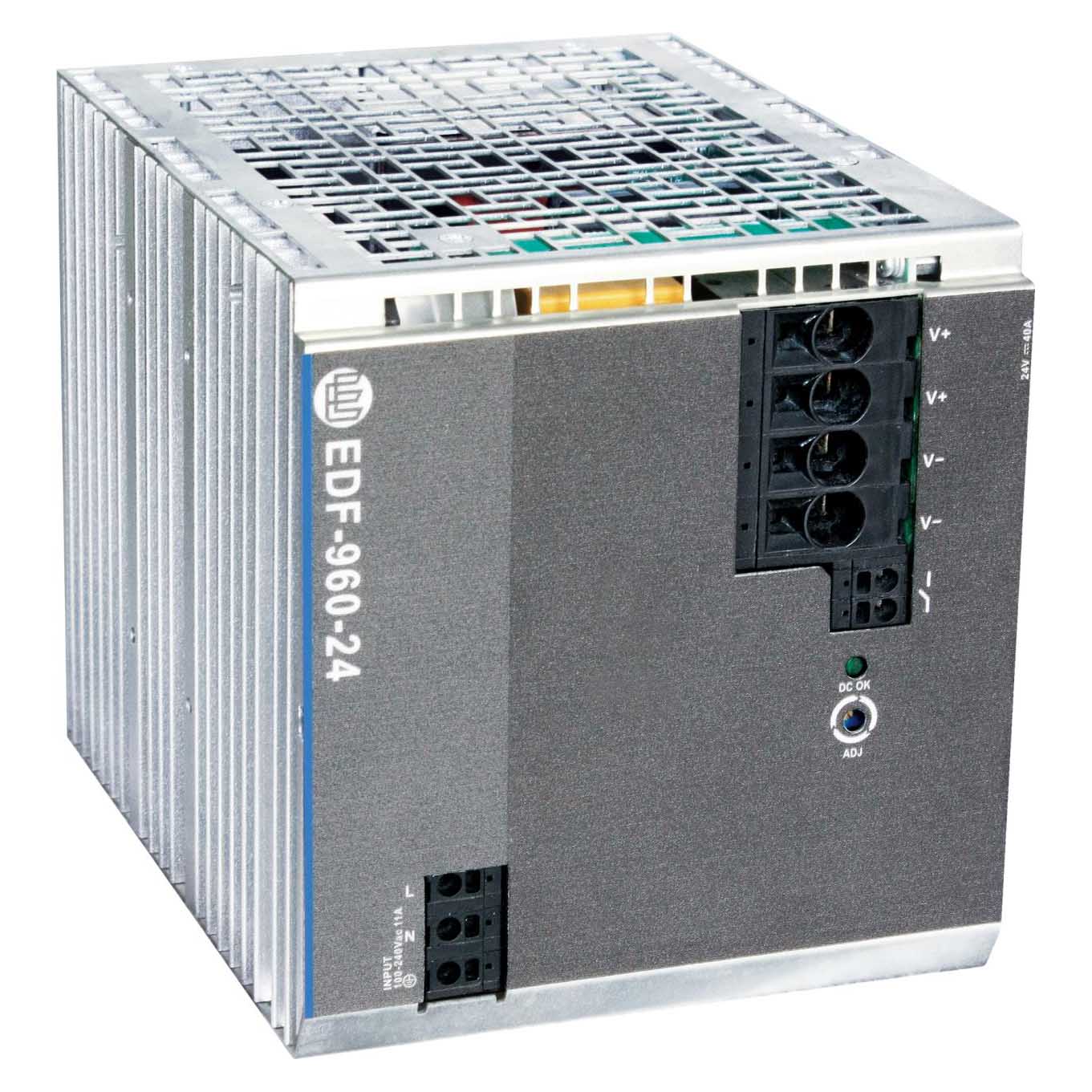
Rugged metal-cased units engineered for cabinet installation within primary substations, solar inverter control panels, and wind turbine pitch control systems.
Active PFC: Power Factor > 0.98 at rated line load
Efficiency: Up to 94.5% peak efficiency with zero fan maintenance
Redundancy: Built-in 9+1 parallel current sharing capabilities
Protection: OVP, OCP, OTP and short-circuit auto-recovery
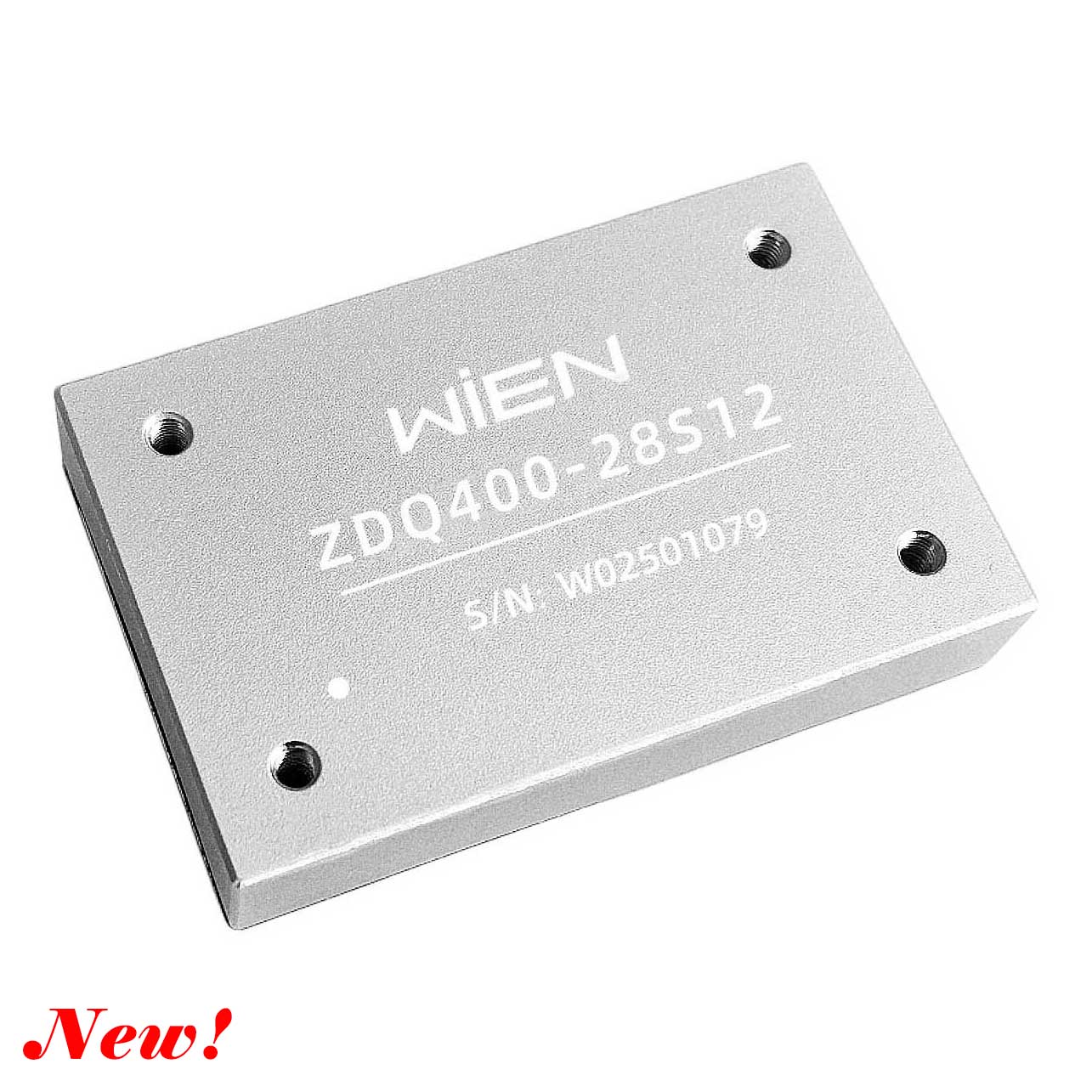
Quarter-brick and eighth-brick isolated modules for telemetry systems demanding exceptional power density and high noise isolation from high-voltage switchgear.
Power Density: Up to 16.3W/cm³ footprint optimization
Input Flexibility: 4:1 and 2:1 ultra-wide DC input spectrums
Thermal Design: Conduction-cooled baseplate for enclosed chassis
Compliance: EN 55032 Class B EMC with minimal external filtering
Technical Performance Comparison Matrix for Smart Grid Selection
When selecting a Smart Grid AC DC Power Supply for critical utility assets, comparing technical boundaries is vital. The table below illustrates standard specifications across the product ecosystem of HYGH Technology Co., Ltd.:
Series Family
Nominal Power Range
AC Input Spectrum
Isolation Voltage
Target Utility Application
Primary Certification
HY-SG-BM Series
2.5W – 300W
85 – 305 VAC (47-63Hz)
4000 VAC
Smart Meters, FTU, RTU PCB Boards
CE, RoHS, EN62368-1
HY-DR-SG Series
75W – 960W
90 – 264 VAC / 180-550 VAC
3000 VAC
Substation Control Panels, Reclosers
CE, EN60950, EN61000-6-2
HY-BR-DC Series
25W – 600W
18 – 75 VDC / 40-160 VDC
2250 VDC – 3000 VAC
Power Relay Telemetry, Telecom Nodes
EN50155, IEC 61373
HY-MED-AC Series
12W – 680W
85 – 264 VAC
4000 VAC (2xMOPP)
Dual-Use Utility Monitoring & Healthcare
EN60601-1 3rd Ed., CE
3. Future Procurement Trends in Smart Grid AC DC Power Supplies (2025–2035)
As power grids evolve to accommodate Distributed Energy Resources (DERs), utility-scale battery energy storage systems (BESS), and electric vehicle (EV) megawatt charging stations, procurement teams must analyze macro technology trends before committing to long-lifecycle power modules.
3.1 Adoption of Wide Bandgap (WBG) Semiconductors (GaN & SiC)
The integration of Gallium Nitride (GaN) and Silicon Carbide (SiC) power switches into Smart Grid AC DC Power Supply topologies allows for higher switching frequencies, reduced thermal dissipation, and drastically smaller magnetic components. Procurement teams are increasingly specifying WBG-based supplies to achieve higher power density inside tight outdoor enclosures while eliminating forced-air cooling fans, which are traditional points of system failure.
3.2 Ultra-Wide Input Range Standardization (85VAC to 528VAC)
Global power grids—especially in developing regions or remote wind farm corridors—experience extreme voltage unbalances. Standard 230V lines can swell beyond 300V during low-load conditions or collapse during peak surges. The global trend is moving toward single-phase AC DC modules that tolerate sustained 305VAC input, and three-phase supplies that withstand up to 528VAC line-to-line continuously without degradation.
3.3 Digital Telemetry & PMBus Integration
Modern Smart Grid AC DC Power Supplies are transitioning from static analog converters to intelligent power conversion nodes. Systems installed in sub-stations now feature real-time digital communication protocols (PMBus, CANbus, Modbus). This allows central energy management platforms to monitor operating temperatures, output current ripple, input voltage stability, and predicted remaining lifespan (E-cap health tracking) for proactive, predictive maintenance.
3.4 Strict Environmental & ESG Traceability
Global utility tenders (particularly across Europe and North America) now mandate strict adherence to carbon footprint metrics, hazardous substance restrictions, and supply chain auditability. HYGH Technology Co., Ltd. ensures full compliance with RoHS 3.0, REACH, and conflict-free mineral sourcing, offering international B2B buyers full documentation support for green grid initiatives.
4. Enterprise Advantages of HYGH Technology Co., Ltd.
Selecting a power supply vendor for smart grid deployments requires evaluating corporate longevity, testing infrastructure, and quality control systems. Founded in 2007, HYGH Technology Co., Ltd. has spent over 17 years building a globally respected power conversion enterprise.
4.1 Rigorous In-House Testing and EMC Infrastructure
Every Smart Grid AC DC Power Supply manufactured by HYGH Technology Co., Ltd. undergoes comprehensive testing before shipment. Our facilities feature automated aging burn-in rooms, high-voltage isolation testers, thermal shock chambers, and full EMC pre-compliance test labs. We guarantee:
100% Full Load Burn-In: Every module is stressed at elevated temperatures to eliminate early-life component failures.
Surge & Transient Immunity Verification: Testing up to IEC 61000-4-5 Level 4 (4kV line-to-ground / 2kV line-to-line).
Vibration and Mechanical Shock Resistance: Compliant with industrial and EN61373 railway standards for pole-mounted and train-borne installations.
4.2 Deep Customization (OEM/ODM) Capabilities
We understand that smart grid control units often require non-standard form factors, specific pinouts, conformal coating against high-humidity/salt-spray environments, or custom output voltage trimmings. The R&D engineering team at HYGH Technology Co., Ltd. delivers rapid prototyping and custom layout modifications tailored to your engineering drawing specifications.
4.3 Global Export Logistics and OEM Trust
With an established presence across more than 50 countries, HYGH Technology Co., Ltd. maintains a robust international logistics network. We provide complete technical datasheets, 3D CAD step files, safety certificates, and dedicated technical customer service for seamless engineering integration.
5. Frequently Asked Questions (FAQ) — Smart Grid Power Sourcing
Below are technical answers to common queries asked by power electronics engineers, utility procurement specialists, and system integrators when evaluating Smart Grid AC DC Power Supplies.
Why is an ultra-wide AC input range (e.g., 85–305VAC) critical for Smart Grid applications?
In electrical distribution grids, line voltages are prone to severe swells caused by load shedding, neutral line interruptions, or lightning strikes. A conventional power supply rated only up to 264VAC will experience dielectric breakdown or metal-oxide varistor (MOV) burnout during sustained high-voltage spikes. An ultra-wide 85–305VAC input design ensures continuous, un-interrupted operation even under fluctuating 277V utility lines, drastically increasing field reliability.
What isolation voltage ratings are mandatory for Smart Grid AC DC Power Supplies in substations?
Primary-to-secondary isolation ratings of at least 3000VAC to 4000VAC are standard for smart grid electronics. High isolation prevents lethal high-voltage grid transients from coupling into low-voltage microcontrollers, communication ICs, and sensor circuits. Power supplies manufactured by HYGH Technology Co., Ltd. incorporate reinforced insulation barriers and optimized PCB creepage/clearance distances to guarantee user safety and instrument protection.
How does operating temperature affect the MTBF of smart grid power modules in outdoor cabinets?
According to the Arrhenius rate law, every 10°C rise in capacitor operating temperature cuts its operating lifespan in half. Smart grid enclosures mounted on utility poles or inside metal cabinets often experience internal ambient temperatures exceeding 60°C. HYGH Technology Co., Ltd. utilizes 105°C-rated long-life electrolytic capacitors, high thermal conductivity potted silicon resins, and low-loss magnetics to maintain MTBF values exceeding 500,000 hours per MIL-HDBK-217F at 40°C ambient.
What EMC / EMI immunity standards must a Smart Grid AC DC Power Supply satisfy?
Smart grid equipment must comply with strict electromagnetic compatibility standards, including IEC/EN 61000-4-2 (ESD), IEC/EN 61000-4-4 (EFT/Burst), and IEC/EN 61000-4-5 (Surge). For radiated and conducted emissions, meeting CISPR32 / EN 55032 Class B without extensive external filter components is highly desirable to minimize overall design complexity and cost.
How can global buyers request custom voltage outputs or special pin configurations from HYGH Technology Co., Ltd.?
Procurement teams can submit engineering schematics, target dimensional boundaries, and electrical requirements directly to our technical sales team via [email protected]. Our application engineers provide turn-around circuit design reviews, sample production, and full certification support.
Partner with HYGH Technology Co., Ltd. for Your Next Power Conversion Project
Whether you are designing next-generation Smart Grid FTUs, medical devices, or railway control units, our engineering team provides reliable, certified AC/DC and DC/DC power solutions tailored to your operational requirements.