

Power Electronics Blog & Knowledge Base
Discover in-depth technical analysis, design considerations, and updates on industrial power supply solutions.
2026 Best EN50155 Railway DC DC Converter for Global Buyers?
Table of Contents
- What Is an EN 50155 Railway DC-DC Converter?
- How EN 50155 Shapes Railway Power Converter Design
- Which Technical Specifications Matter Most in 2026?
- How to Select a Converter for Different Railway Applications
- What Global Buyers Should Check Before Purchasing a Converter
- FAQS
- Conclusion
- Related Posts
A railway power converter is easy to overlook—until vibration, voltage variation, or heat causes a failure inside a moving train. For global buyers, choosing an EN50155 Railway DC DC Converter therefore means assessing more than output voltage. Isolation, temperature performance, shock and vibration resistance, electromagnetic compatibility, and service life all matter. The right specification depends on the installation: a cab, passenger saloon, and underfloor equipment bay face different conditions.
The market context is significant, but broad figures need careful interpretation. UNIFE’s World Rail Market Study 2024 estimates the annual global rail supply market at about €201 billion for 2021–2023, with an average of about €240 billion forecast for 2024–2029. These figures cover the wider rail supply industry, not DC-DC converters alone. EN 50155 provides a framework for electronic equipment used on rolling stock; buyers should still check the applicable edition, test evidence, and product documentation for each project.
Reliability is built in details. A converter may look suitable on a specification sheet, yet fail to fit the actual input range, cooling limits, or maintenance plan. Small details matter.
A verified, attributable quotation from a named EN50155 converter specialist was not available for this introduction, so no expert quote is invented. This guide instead focuses on verifiable standards, published market data, and practical selection questions—while recognizing that project-specific engineering review remains essential.
What Is an EN 50155 Railway DC-DC Converter?
2026 Best EN50155 Railway DC-DC Converter for Global Buyers?
What Is an EN 50155 Railway DC-DC Converter?
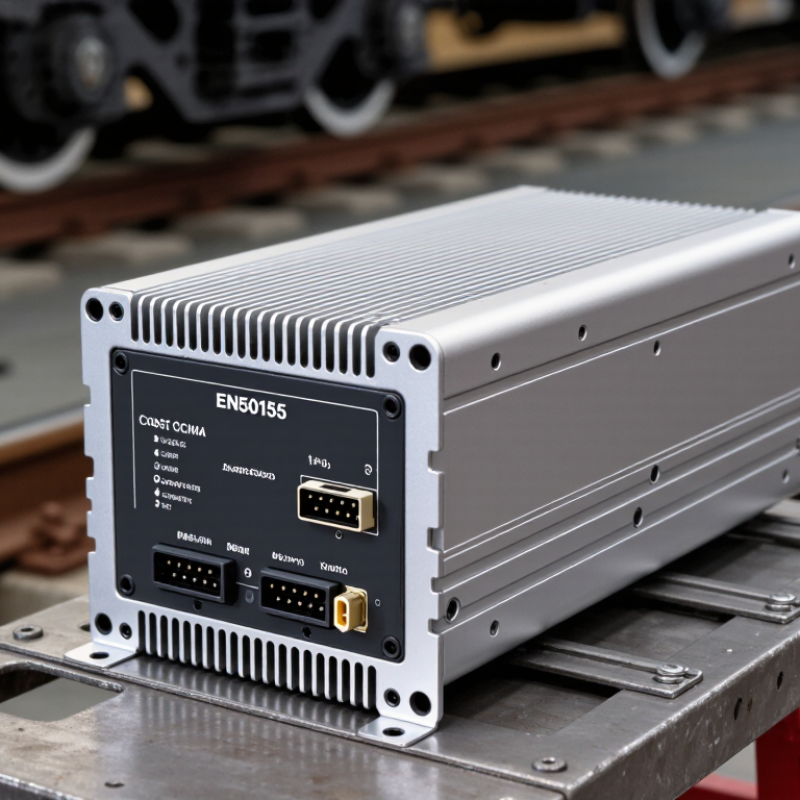
An EN 50155 railway DC-DC converter is a power unit designed for electronic equipment used on rolling stock and assessed against the relevant requirements of EN 50155. It converts a vehicle’s DC supply into a stable output for devices such as control units, communication equipment, and sensors. A label alone is not enough. Buyers should review test reports and confirm that the converter’s input range, output rating, and installation conditions match the actual vehicle system.
Railway power can fluctuate during operation, while equipment may face vibration, temperature changes, and electrical interference. A suitable converter is selected for these conditions, not just for its nominal voltage. Check operating temperature, isolation ratings, protection features, cooling method, and mounting details. Also confirm which standard edition and test scope appear in the supplier’s documentation. Requirements vary by application. Even experienced teams can overlook a small mismatch between a converter’s rated input and the vehicle’s real supply range.
Tips: Compare the datasheet with the vehicle specification before ordering. Ask for traceable test documents, and check connector and clearance details against the installation drawing. Allow time for review. A neat datasheet does not guarantee an easy fit.
How EN 50155 Shapes Railway Power Converter Design
EN 50155 shapes railway DC-DC converter design by treating onboard power as a harsh, changing environment, not a stable laboratory supply. Its requirements address temperature, humidity, vibration, shock, and supply-voltage variations. Applicable test conditions depend on equipment class and installation. A converter may sit above a bogie, inside a cabinet, or near a driver’s desk; each location brings different thermal and mechanical risks. Designers select components, insulation, protection circuits, and enclosure methods around the declared operating range. They also test behavior during input dips and interruptions, rather than relying on nominal voltage alone. Small details matter. A loose connector can undo careful circuit design.
Tips: Ask for the exact EN 50155 edition, temperature class, and test reports. Check whether test results cover the intended mounting position and input range. Review EMC evidence and system interfaces too; converter compliance alone does not establish compliance of the complete train installation. Allow margin for aging, wiring voltage drop, and cabinet heat. In practice, thermal assumptions can be optimistic. Recheck them using measured temperatures in a representative enclosure.
Which Technical Specifications Matter Most in 2026?
2026 Best EN50155 Railway DC-DC Converter for Global Buyers?
Which Technical Specifications Matter Most in 2026?
Choosing a railway DC-DC converter starts with the actual onboard power supply, not a headline efficiency figure. Confirm the nominal input voltage, operating range, and response to dips or interruptions against the vehicle’s electrical design. Check output regulation, ripple, startup behavior, and transient response for the connected load. A control unit may tolerate less noise than a fan or lighting circuit. Small details matter.
Thermal performance deserves close attention. Compare the converter’s stated operating temperature range with the mounting location, airflow, and expected load. Review derating curves rather than assuming full output is available at every temperature. Also verify isolation voltage, protective functions, and suitability for vibration and shock. EN50155 compliance can support equipment selection, but the applicable edition and project requirements still need checking. A certificate alone does not validate the complete installation.
Tips: Ask for test reports covering temperature, EMC, and vibration, and compare the test conditions with your use case. Check mechanical dimensions and connector access before freezing the enclosure design. If the data sheet leaves a question unanswered, request clarification in writing. Engineers sometimes focus on electrical ratings and overlook service access; that can make replacement harder later. It is worth reviewing.
Why temperature class matters: EN 50155 defines operating-temperature classes from OT1 to OT6. Choose a DC-DC converter whose rated operating range suits the installation location, and check its datasheet for any output-power derating at temperature extremes. Input-voltage range, isolation, EMC, and shock and vibration ratings also matter when selecting a converter.
How to Select a Converter for Different Railway Applications
2026 Best EN50155 Railway DC DC Converter for Global Buyers?
Selecting a converter for different railway applications starts with the vehicle’s actual power conditions. A traction cabinet may face wider input swings and stronger electrical disturbances than a passenger information unit. Check the nominal voltage, operating range, and transient requirements against the vehicle documentation. Do not choose by nominal voltage alone. A unit’s EN 50155 claims should be supported by test reports covering the relevant requirements and product configuration.
For onboard control systems, stable output, isolation, and predictable behavior during input dips matter.
Communications equipment may need low noise and continuous operation, while door or lighting systems can have changing loads.
Measure peak demand, not just average consumption. Then check operating temperature, cooling, mounting space, vibration, and connector access. A converter that fits the drawing may still be awkward to service. That detail is easy to miss.
Tips: Leave room for derating at high temperatures, and confirm protection behavior with the real load. Ask for evidence of applicable EN 50155 testing, EMC performance, and environmental limits. Compare hold-up time with the system’s ride-through needs. A neat datasheet cannot predict every cabinet. Field conditions vary, and assumptions deserve another look before approval.
What Global Buyers Should Check Before Purchasing a Converter
A railway DC-DC converter should match the vehicle, not just the headline on a datasheet. Define the input range, output load, isolation needs, and mounting space before comparing offers. Check whether the stated EN 50155 compliance applies to the exact model and configuration. Ask for test reports and clarify which operating conditions they cover. Small details matter.
Temperature is easy to underestimate. Compare the specified range with the converter’s actual location, such as a sealed cabinet near other heat-producing equipment. Review derating curves at the expected input voltage and load; a unit rated for a certain output may deliver less under hot conditions. Also check vibration and shock evidence, EMC test results, connector retention, and cooling requirements. A fanless design can simplify maintenance, but it still needs a realistic heat path.
Global buyers should confirm documentation, lead times, warranty terms, and technical support across their operating regions. Request drawings, pin assignments, protection behavior, and clear instructions for integration. Ask what happens during input dips, overloads, and output short circuits. A sample evaluation under representative conditions can reveal issues that a spreadsheet misses. Even a neat datasheet can leave questions. I would not treat a compliance statement as a substitute for checking the test scope and the installation details.
FAQS
It addresses temperature, humidity, vibration, shock, and supply-voltage changes. Requirements depend on equipment class and installation location.
A unit above a bogie may face different vibration and heat than one inside a cabinet. Small details matter.
Confirm nominal voltage, operating range, and behavior during voltage dips or interruptions. Nominal voltage alone is not enough.
Check regulation, ripple, startup, and transient response. Control equipment may be more sensitive to noise than lighting.
Full output may not be available at high temperatures. Compare the curves with cabinet heat, airflow, and expected load.
Ask for applicable test reports covering temperature, vibration, and electromagnetic compatibility. Check that test conditions match the intended installation.
Compare its input range and transient performance with vehicle documentation. Measure peak demand, not just average consumption.
Check dimensions, connector access, wiring voltage drop, and service space. A unit can fit the drawing but remain awkward to replace.
No. System interfaces and the complete installation also need review. Field conditions vary; assumptions deserve another look.
Conclusion
Choosing the right EN50155 Railway DC DC Converter in 2026 means understanding both the railway environment and the requirements of the equipment it will power. EN 50155 influences converter design by setting expectations for operation amid vibration, temperature variation, electrical disturbances, and demanding service conditions. Buyers should compare key specifications such as input-voltage range, output stability, efficiency, isolation, power rating, operating temperature, and protection features, while checking that the product documentation clearly explains its intended use and performance.
Selection also depends on the application. Onboard control systems, communications equipment, and passenger information devices may have different power needs, space limits, and operating priorities. Before purchasing, global buyers should confirm compatibility with the vehicle’s electrical system, review test and compliance documentation, assess installation and maintenance requirements, and clarify warranty, lead time, and technical support. A careful, application-based review helps balance reliability, efficiency, and total ownership needs.

Blog Tags: