



Technical Blog and Industry Insights - HYGH Technology Co., Ltd.
Industrial Power Supplies Tech Articles
DC DC Converter Application Guides
HYGH Technology Insights

Power Electronics Blog & Knowledge Base

Discover in-depth technical analysis, design considerations, and updates on industrial power supply solutions.

0%

Choosing a Board Mount AC DC Power Supply is crucial in electronics design. It affects performance and reliability. Many factors come into play when selecting the right power supply for your project.

One must consider the input voltage range, output current, and efficiency. Each application may demand specific requirements that challenge even experienced engineers. The right specifications ensure that the power supply integrates well with other components. Consider the available space on your board. Many designs are compact, making size a critical consideration.

Be mindful of the thermal performance as well. Heat management can greatly influence the longevity of your device. Opting for high-quality components can mitigate potential issues. However, it's essential to remain cautious. Sometimes, what appears to be a perfect option may fall short in real-world applications. A careful examination of these elements can lead to better decision-making and ultimately enhance your project’s success.
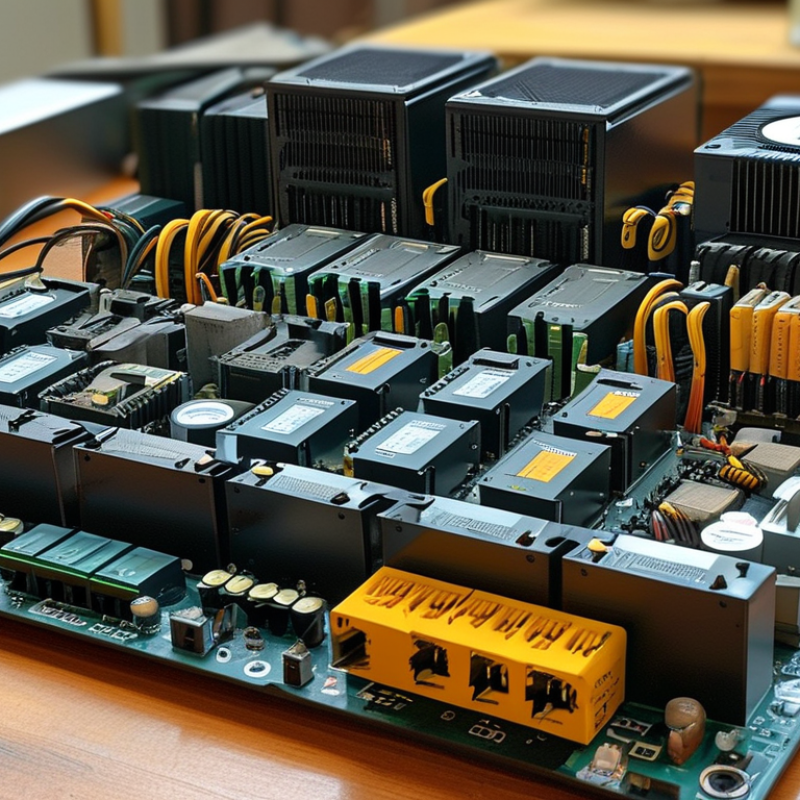
Top 5 Tips for Choosing a Board Mount AC DC Power Supply?

Understanding the Basics of Board Mount AC DC Power Supplies

Board mount AC DC power supplies are essential components in various electronic devices. Understanding their basics is crucial for making informed choices. These supplies convert AC voltage to DC, providing a stable power source. They are compact, efficient, and often feature built-in protection mechanisms, which enhance their reliability. The global market for power supplies is expected to reach $29 billion by 2026, highlighting their importance in the electronics industry.

When selecting a board mount AC DC power supply, consider factors like voltage and current requirements. The power supply must match the specifications of your application to ensure optimal performance. Efficiency ratings are also vital, as higher efficiency reduces energy consumption and heat generation. Research indicates that power losses can exceed 10% in inefficient models. This inefficiency can lead to performance issues over time.

Additionally, the environment where the power supply operates is critical. For instance, high temperatures or humidity can impact performance. The National Electrical Manufacturers Association (NEMA) outlines standards for power supplies that operate in challenging conditions. Evaluating these environmental factors helps in selecting a robust power supply for long-term reliability.

Top 5 Tips for Choosing a Board Mount AC DC Power Supply

Tip Description Considerations Rating (1-5)
1. Determine Voltage Requirement Ensure the power supply matches the operational voltage of your circuit. Look for standard voltages such as 5V, 12V, or 24V. 5
2. Check Current Rating Select a power supply that can deliver the required current for your application. Over-specify to allow for inrush and transient currents. 4
3. Evaluate Efficiency Choose a power supply with high efficiency to reduce heat generation and energy costs. Look for supplies with efficiency ratings above 80%. 5
4. Consider Size and Form Factor Ensure the power supply fits within your PCB layout constraints. Check dimensions and mounting options. 4
5. Assess Protection Features Look for features such as overvoltage, overcurrent, and thermal protection. These features enhance the reliability and lifespan of your design. 5

Evaluating Voltage and Current Ratings for Optimal Performance

When selecting a board mount AC DC power supply, evaluating voltage and current ratings is key. Voltage ratings determine how much electrical potential the supply can provide. If the voltage is too low, devices may not function properly. Conversely, exceeding the voltage can damage sensitive components. Understanding the requirements of your specific application helps in making the right choice.

Current ratings are equally important. They indicate the amount of current the power supply can deliver. If the current is insufficient, devices may suffer from performance issues. A higher current rating can offer headroom for future expansion. It's essential to analyze both ratings carefully. Sometimes, designers overlook these parameters, leading to system failures.

Real-life applications often reveal the importance of proper rating evaluation. Mistakes can occur with mismatched voltage and current. These miscalculations can result in downtime and repair costs. Therefore, diligent assessment ensures optimal performance and reliability of electronic devices in various environments. Engaging with experts can provide insights into best practices for these ratings.

Analyzing Efficiency and Thermal Management Factors in Power Supplies

Efficiency and thermal management are crucial in selecting a board mount AC DC power supply. High efficiency is essential for reducing energy costs and ensuring long-term reliability. According to a recent report by the U.S. Department of Energy, power supplies account for nearly 30% of overall energy consumption in electronic devices. Choosing an efficient model can lead to significant savings, as a mere 1% improvement in efficiency can result in a 2-5% reduction in operational costs.

Thermal management is another key factor. Poor heat dissipation can lead to early component failure. When examining specifications, consider units with robust thermal designs. For instance, a study by IC Insights noted that thermal issues were responsible for up to 25% of power supply failures in the field. Power supplies with high thermal conductivity materials and designs can mitigate these risks. Regular assessments and thermal simulations during the design phase can uncover potential hotspots and enhance overall durability.

Understanding the balance between efficiency and thermal management is vital. Inefficient designs may lead to excess heat, while overly aggressive thermal strategies might compromise energy conversion. Engineers must adopt a holistic approach, analyzing both performance and environmental impact to select the right power supply for their applications.

Assessing Size, Form Factor, and Mounting Options for Space Constraints

When selecting a board mount AC DC power supply, size and form factor are crucial. Consider the dimensions of your circuit board. A compact design can save valuable space. Many applications require power supplies to fit seamlessly among other components. Misjudging the available space might lead to complications later.

Mounting options also play an essential role in your choice. Different installation methods can affect the performance and durability of the power supply. Options like surface mount or through-hole may have trade-offs in terms of ease of assembly and thermal management. Investigate the mounting style that aligns with your existing setup. You might find that the most convenient option could compromise efficiency.

This process isn't always straightforward. Sometimes, you might overlook potential conflicts with other components. A thorough evaluation of your layout is necessary. Understanding how each power supply interacts within the system will lead to better decisions and prevent unforeseen issues. Balancing size, form factor, and mounting is key to a successful integration.

Reviewing Industry Standards and Compliance for Quality Assurance

When choosing a board mount AC DC power supply, industry standards and compliance play a crucial role. It's essential to understand the common certifications such as UL, CE, and FCC. These certifications assure that the product meets safety and electromagnetic compatibility requirements. Without these certifications, the reliability of the power supply could be in question. Always check for relevant documentation. A lack of transparency can signal potential issues.

Another factor is the efficiency ratings. High efficiency contributes to lower heat generation and energy costs. Look for power supplies with high efficiency ratings to ensure optimal performance. However, not all manufacturers provide this information upfront. This can make it challenging for buyers to assess true efficiency. Discussions with suppliers might be necessary to clarify these specs.

Additionally, consider the environmental impact. Compliance with RoHS and WEEE directives indicates responsible manufacturing. Yet, some companies comply superficially. It's important to investigate the materials used. A power supply might meet standards on paper but still use non-compliant components. Actively seeking transparency from manufacturers can mitigate risks related to quality and safety.

FAQS

: What are voltage ratings and why are they important?

: Voltage ratings indicate the electrical potential a power supply can provide. Low voltage may cause malfunction, while high voltage can damage components.

How do current ratings affect device performance?

Current ratings show how much current a power supply delivers. Insufficient current leads to poor performance, but a higher rating allows for future expansion.

Why is efficiency important in power supply selection?

High efficiency reduces energy costs and ensures long-term reliability. Small efficiency improvements can lead to significant operational cost savings.

What happens if thermal management is neglected?

Poor thermal management can cause early component failure. Up to 25% of power supply failures arise from thermal issues, indicating its importance.

How can I ensure I select a compliant power supply?

Check for certifications like UL, CE, and FCC. These ensure safety and compatibility, but lack of certification may indicate reliability issues.

Why is transparency from manufacturers crucial?

Transparency helps verify compliance with industry standards. Some companies may seem compliant without actually using compliant materials.

What is a common oversight when evaluating power supplies?

Designers often overlook voltage and current ratings, which can lead to system failures. Diligent assessment is essential to avoid problems.

How can I assess the efficiency of a power supply?

Look for high efficiency ratings in specifications. Engaging suppliers may be necessary to get clear and accurate efficiency information.

What role do environmental factors play in selection?

Consider compliance with RoHS and WEEE directives. Some manufacturers may claim compliance but use non-compliant components.

How can I enhance thermal management in my designs?

Use power supplies with good thermal designs and materials. Regular thermal simulations can uncover potential hotspots for better durability.

Conclusion

When selecting a Board Mount AC DC Power Supply, it's essential to understand the fundamentals, including voltage and current ratings for optimized performance. Proper evaluation of these ratings ensures that the power supply meets the requirements of your application while maintaining reliability and efficiency. Additionally, analyzing efficiency and thermal management factors is critical to avoid overheating and to ensure stable operation under load conditions.

Space limitations often dictate the size and form factor of the power supply; therefore, it’s important to assess various mounting options to fit the design constraints of your project. Lastly, adhering to industry standards and compliance will help guarantee quality assurance, minimizing risks associated with safety and performance. These considerations collectively contribute to selecting the most suitable Board Mount AC DC Power Supply for your needs.

Ethan

Ethan

Ethan is a dedicated marketing professional with a deep expertise in his company's offerings. With a passion for sharing knowledge, he frequently updates the company's professional blog, providing insights into the latest trends and strategies in the industry. His ability to simplify complex......